Dorian and Draco’s Shift from Brotherly Enemies to Allies
The Night CleanerDorian and Draco’s Shift from Brotherly Enemies to Allies is a relationship shaped by shared divine blood, rejected kinship, and a final choice between hatred and love. In their climactic confrontation, Dorian insists that the conflict has always been between them, while Draco still appeals to him as a brother. Rose’s death sharpens their opposing understandings of love and loss; only after time is reversed does Dorian relinquish his villainous path and accept the chance of a different future alongside Draco and the others.
Shared Blood and Rejected Kinship
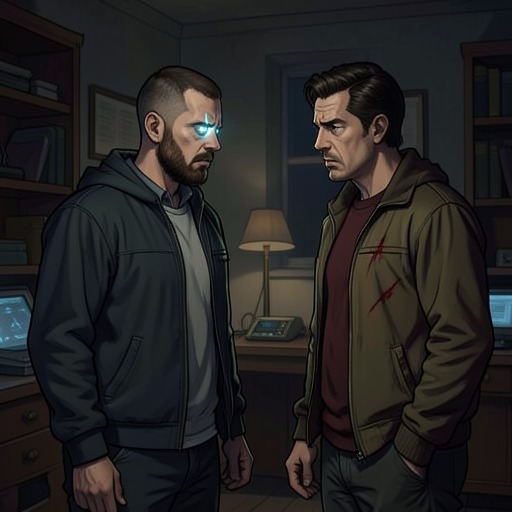
Dorian and Draco are connected by their shared blood from Apollo, but Dorian rejects the bond as a basis for loyalty. When Draco arrives at the rooftop after the city’s evacuation, he asks Dorian to turn back and suggests that they could still stand together as a force for good. Dorian answers that it is too late and spits out the word brother, insisting that Draco is an enemy rather than family. Their connection is therefore real but contested: Draco invokes kinship as a reason to reach across their conflict, while Dorian treats their shared ancestry as irrelevant to the choice he has made.
Dorian’s newly acquired power after absorbing the last sunlight reinforces his separation from Draco. He presents himself as both light and darkness and identifies himself as the villain of the story, while Draco continues to search for humanity in him. Draco’s appeal is not merely a request for Dorian to stop fighting; it is an attempt to preserve the possibility that their shared blood might still mean something. Dorian refuses that possibility at this point, making the family bond itself part of their struggle.
The Confrontation Between Them
The rooftop conversation gives way to a fight that Dorian frames as the central conflict of the entire story. He tells Draco that everyone else has been a side character and that the two of them have always been the real contest. He claims to have seen this ending repeatedly: Draco failing against his sword and losing the people he cares about. The confidence of that prediction makes their duel feel, to Dorian, like a scene whose outcome is already known.
Their battle moves between buildings. After Draco sends them over the edge of the tallest building in the city, Dorian flashes them to another rooftop and avoids Draco’s attack. They exchange blows, and Dorian uses his sun-derived power against Draco. Later, he touches Draco’s wound and transports them to the heroes gathered around Griffin Enterprises Tower, where Dorian’s crew is emerging from the shadows. Dorian’s repeated control of their location makes the fight a contest not only of force but of who can dictate its setting and pace.
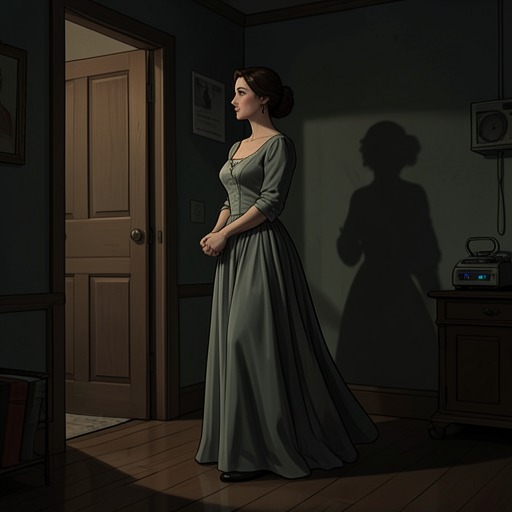
The conflict’s personal stakes become explicit when Dorian brings Draco before Rose. Draco is reunited with the woman he loves, and Dorian recognizes that their future marriage had been probable. After Rose dies, Draco holds her and calls her his wife. Dorian tells Draco that they were not made to love, but Draco rejects the idea that his love was a mistake. He says he would endure another thousand years of suffering for even a minute of Rose’s love and that he would change nothing about having cherished her. He contrasts that devotion with Dorian’s decision to throw love away, arguing that Dorian is the one who truly suffers.
Rose’s Death and the Duel’s Reversal
Rose’s death transforms the emotional balance between the rivals. Draco’s grief initially renews his focus on killing Dorian, and he fights harder and faster. Yet the force of his loss overtakes that focus. Dorian sees an opening and impales Draco with his sword, but Draco does not die, even though Dorian perceives that he may want the fight—and his life—to end. The apparent victory is consequently hollow: Dorian can wound his opponent, but the confrontation has not resolved what their relationship means or what either man has lost.
The distinction between them is no longer simply that one fights and the other resists. Draco’s declaration makes his willingness to suffer for love a direct rebuttal to Dorian’s dismissal of attachment. Dorian, who had predicted that Draco would lose those he cared about, sees that loss occur; but the outcome does not confirm Dorian’s superiority. Instead, it exposes the emotional cost of his own rejection of love. His thoughts race as he senses that what has happened is not right and looks into the future again, leaving the duel’s result unsettled within the larger story.
Time Reversal and a Conditional Alliance
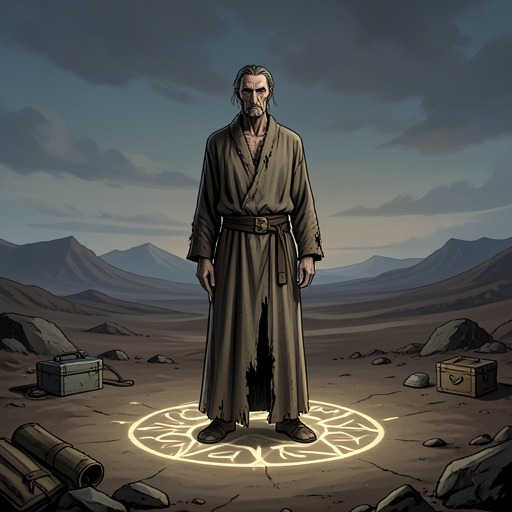
The possibility of changing their relationship emerges when the survivors undertake a time-reversal ritual. Dorian sees that he would do whatever it took to have Esme back, and that his hatred and bitterness toward Draco are outweighed by his love for her. This recognition does not erase their history, but it changes what Dorian is willing to choose: he participates in the attempt to return to the past rather than preserve his victory over Draco. The ritual involves both men, who take hold of a lightning-like sword that cuts their hands; the spell invokes the blood of a man, a god, and an immortal. Their participation makes the reversal a shared undertaking, not a reconciliation accomplished by words alone.
After the reversal, Phillip asks Dorian whether he intends to return to his villainous ways, while Draco and Asher tense in case his answer makes them fight him again. Dorian says that it is done. He also gives up immortality, unwilling to outlive Esme after what he has endured. The decision marks a clear break with the identity and power that had defined his opposition to Draco, though the account presents cooperation as an opening rather than an already completed restoration of trust.
Phillip explains that they have returned to Seahill one year before Dorian left the city in chaos. People without gifts remember nothing, while gifted people’s memories vary; Dorian will not meet an earlier version of himself because the two bodies have merged. Phillip invites him to join efforts to make the Hero Society better. Dorian does not reject the invitation, but leaves it open for the time being. He then goes to seek Esme, while the others move toward their own loved ones. The former enemies thus enter the new timeline without a settled account of their future together, but with Dorian’s hatred no longer governing his choice and the possibility of alliance now available to them.